
Botox works by temporarily relaxing specific muscles beneath the skin, reducing the appearance of lines and wrinkles in targeted zones. Understanding the areas of the face for botox helps you have a more informed conversation with your practitioner and set realistic expectations before you commit to treatment.
Why Facial Anatomy Matters Before Any Botox Treatment
Before any practitioner injects botulinum toxin, they should carry out a thorough facial assessment. Every face is anatomically unique. The depth of a muscle, how strongly it contracts, and how the skin sits above it all influence where and how much product is placed. A treatment that looks natural on one person can look overdone on another if these individual differences are ignored.
In the UK, botox treatments are regulated under the Health and Safety (Sharp Instruments in Healthcare) Regulations 2013, and since 2022, non-surgical cosmetic procedures including botulinum toxin injections must be performed by, or under the prescription of, a qualified medical professional. This makes choosing an experienced, regulated practitioner non-negotiable.
Understanding your facial zones is also useful for managing expectations. Some areas respond quickly and visibly, while others require a more nuanced approach and may need follow-up appointments to fine-tune the result.
The Upper Face: Where Botox Is Most Commonly Used
The upper third of the face is where most people begin their botox journey. These areas tend to show movement-related lines earliest, and the muscles involved are generally well-understood and predictable in their response to treatment.
Forehead Lines
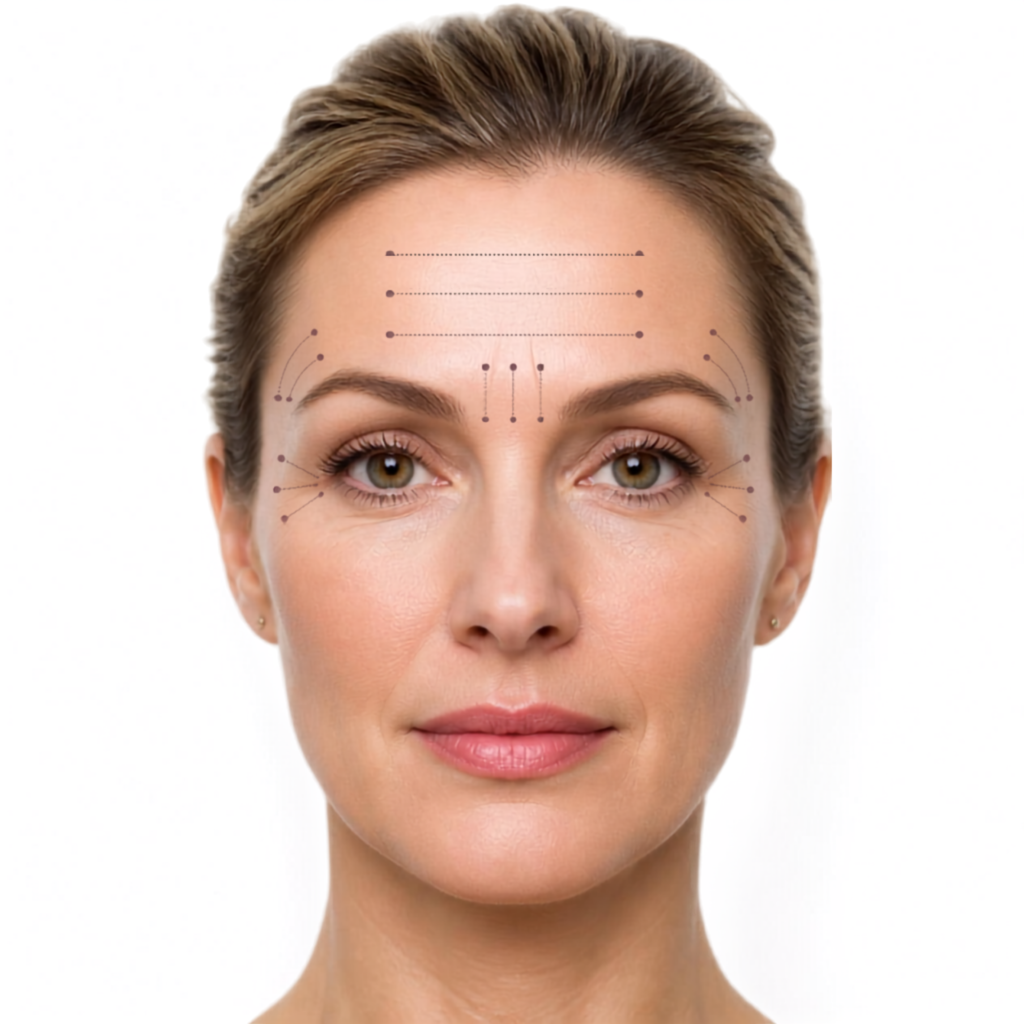
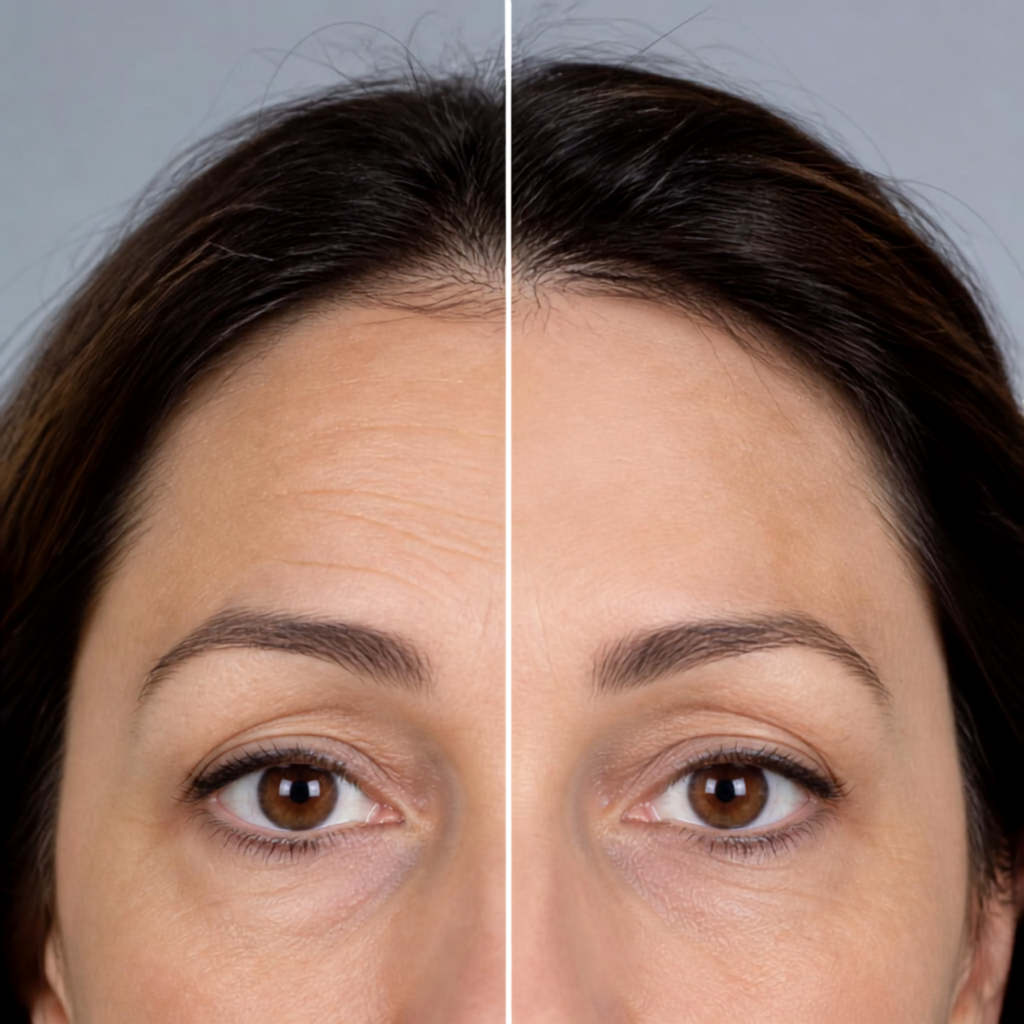
Horizontal forehead lines appear when you raise your eyebrows. They are caused by repeated contraction of the frontalis muscle, which runs across the full width of the forehead. Botox placed carefully across this muscle relaxes it, smoothing those lateral lines.
One important consideration here is the relationship between the frontalis and the brow position. Over-treating this area without accounting for the muscles below can cause brow heaviness or drooping. An experienced injector balances relaxation with retention of natural expression.
Frown Lines (Glabellar Lines)
The vertical lines between the eyebrows, commonly called the “11s,” are caused by the corrugator supercilii and procerus muscles. These contract when you frown, concentrate, or squint. This is one of the most frequently requested treatment sites and one of the areas where results can be particularly striking.
Treating the glabellar complex can also produce a subtle brow lift as a secondary effect, since the muscles pulling the brow down are relaxed, allowing the frontalis to lift more freely.
Crow's Feet
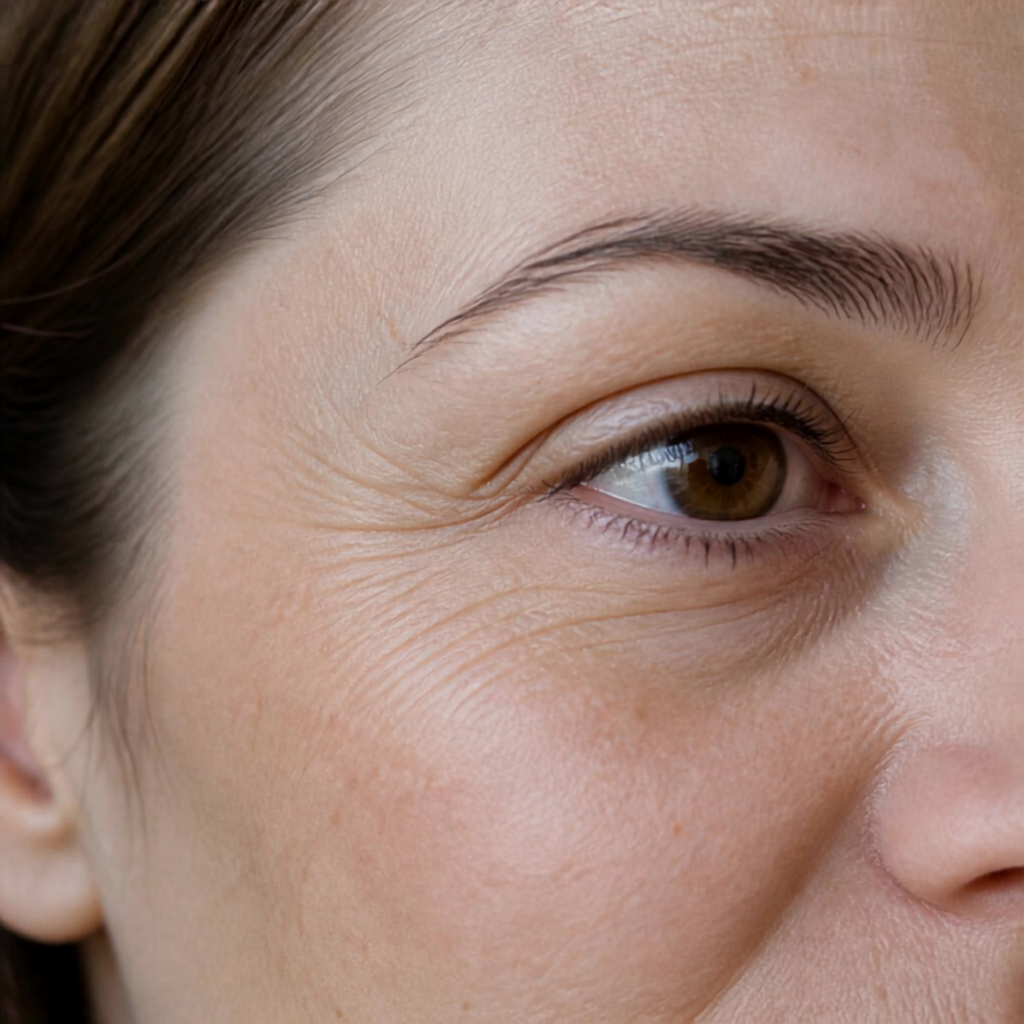
The fine lines that radiate from the outer corners of the eyes when you smile or squint are caused by the orbicularis oculi muscle. This muscle encircles the eye and contracts naturally with every expression. Botox placed laterally at this site softens those lines without affecting how the eye itself functions.
This is a popular area for people in their late twenties and thirties who are beginning to notice early dynamic lines. The results tend to look natural and well-received by practitioners and patients alike.
The Mid-Face: Subtler Treatments With Noticeable Effects
The mid-face is more delicate territory for botox, and treatments here require a higher level of precision. The muscles in this zone are smaller and more interconnected, meaning the margin for error is narrower.
Bunny Lines
These are the diagonal wrinkles that appear across the bridge of the nose when you scrunch your face or laugh. They are caused by the nasalis muscle. While some people find them charming, others prefer a smoother nasal bridge, particularly in photographs.
Treating bunny lines is straightforward in experienced hands, but the location close to the lip elevator muscles means precise placement is essential to avoid affecting the upper lip or smile.
Under-Eye Area (Infraorbital Lines)
The treatment of fine lines directly beneath the eye is a more advanced application and not universally recommended. When done correctly by a specialist, small amounts of botox can soften superficial crinkling in this zone. However, any treatment close to the lower eyelid carries a higher risk of affecting muscle tone and is typically reserved for practitioners with a specific track record in this area.
Lip Lines (Perioral Lines)
The fine vertical lines that appear around the lips, sometimes called smoker’s lines, develop with age and repeated lip pursing. The orbicularis oris muscle is responsible. Small doses of botox around the lip border can reduce their appearance, though care must be taken not to over-relax the muscle, which could affect speech, drinking, or eating.
This treatment is often combined with dermal filler to the lips themselves for a more comprehensive result.
The Lower Face and Neck: Increasingly Popular Treatment Zones
As techniques have evolved and practitioners have become more skilled, the lower face has become a growing area of interest for botox treatments in the UK.
Jawline and Masseter (Jaw Slimming)
The masseter is the large muscle used for chewing, located at the angle of the jaw. In people who grind their teeth (bruxism) or who naturally have a hypertrophic masseter, this muscle can create a wide, square jaw shape. Botox injected into the masseter causes it to reduce in size over time, creating a softer, more tapered jawline.
This treatment has become particularly popular and is frequently discussed in the context of facial balancing. It also has a functional benefit for people who suffer from jaw tension headaches or tooth grinding, a condition that affects a significant number of adults in the UK.
Chin Dimpling
The mentalis muscle sits at the chin and is responsible for the puckered or pebbly texture some people notice on their chin when they speak or move their face. A small amount of botox smooths this texture and can subtly elongate the appearance of the chin.
The Neck (Platysmal Bands)
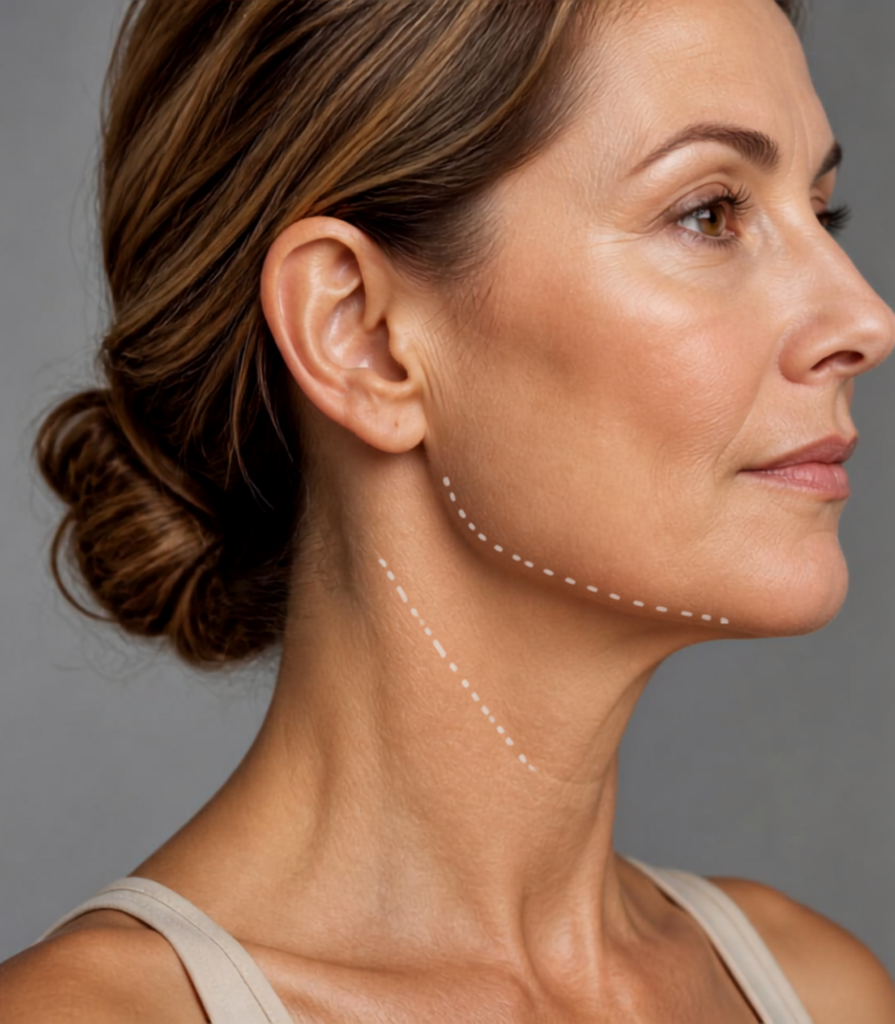
The platysma is a broad, thin muscle that runs from the chest and shoulder up the neck. As it ages and loses elasticity, it can create vertical bands or cords that are visible from the front of the neck. Treatment of the neck with botox, sometimes referred to as a “Nefertiti lift” when combined with jawline injections, creates a smoother neck profile and a subtle tightening effect at the jawline.
Results in this area are often described as among the most age-reversing available without surgery, though they do require a practitioner with strong anatomical knowledge of the neck.
Comparing the Most Requested Botox Treatment Areas
Here is a breakdown of the most commonly treated facial zones, what they address, and the typical considerations for each:
| Treatment Area | Muscle Targeted | Primary Concern | Complexity |
|---|---|---|---|
| Forehead | Frontalis | Horizontal lines | Moderate |
| Frown Lines | Corrugator / Procerus | Vertical "11s" | Low to Moderate |
| Crow's Feet | Orbicularis Oculi | Dynamic lines at outer eye | Low |
| Bunny Lines | Nasalis | Nose bridge wrinkling | Low |
| Lip Lines | Orbicularis Oris | Perioral vertical lines | Moderate |
| Masseter / Jaw | Masseter | Jaw width, bruxism | Moderate to High |
| Chin | Mentalis | Dimpling texture | Low |
| Neck Bands | Platysma | Vertical neck cords | High |
The complexity rating above reflects the level of practitioner skill required, not how painful or risky the treatment is in absolute terms. All botox treatments carry some degree of risk, which is why choosing a qualified professional is so important.
What to Expect When You Have Multiple Areas Treated
Many people choose to treat several areas in a single session. This is entirely common and often recommended by practitioners who take a whole-face approach rather than treating each zone in isolation.
When treating the upper face together, for example, combining the forehead, frown lines, and crow’s feet allows the practitioner to balance muscle activity across the entire upper third. Treating the forehead alone without addressing the glabella, for instance, can shift how the face moves and may produce an unbalanced result.
During your consultation, your practitioner should map out which muscles are most active for you specifically. This often involves asking you to make a range of expressions so they can observe where and how your face moves. This assessment forms the basis of a personalised treatment plan.
You should also discuss your goals clearly. Some people want complete relaxation of a muscle; others prefer a softer result that preserves some movement. Both are achievable but require different approaches and doses.
For those researching options and looking for a reputable provider, anti wrinkle btox treatments from a qualified specialist offer a clear consultation process and tailored treatment planning across multiple facial zones.
How Results Differ Across the Face
Results do not appear uniformly across all areas of the face for botox treatments. The forehead and frown lines typically show visible improvement within three to seven days and reach their peak effect at around two weeks. Crow’s feet often respond quickly too. The masseter, however, takes longer because the muscle needs time to atrophy from reduced use. Jaw-slimming results may not become fully apparent for six to eight weeks.
How long results last also varies. The upper face tends to hold results for three to four months. The masseter, once fully treated over multiple sessions, can maintain results for up to six months or longer. The neck is somewhere in between, typically requiring retreatment every four to five months to maintain the lifting effect.
Factors That Influence Which Areas Are Right for You
Not every area is appropriate for every person. Age, skin quality, facial structure, and lifestyle all affect which treatments will deliver the best result.
Key factors your practitioner will consider include:
- Your age and skin elasticity: Younger skin responds differently to botox than skin that has begun to lose collagen and elasticity.
- Muscle strength: Stronger muscles, often seen in people who are very expressive or who exercise the jaw through habits like gum chewing or grinding, may require higher doses to achieve the same effect.
- Medical history: Certain conditions and medications affect how botox behaves and whether treatment is appropriate. Your practitioner should take a full medical history at consultation.
- Previous treatments: If you have had botox before, your practitioner will want to know how you responded, whether you experienced any asymmetry, and how long your results lasted.
- Your aesthetic goals: Whether you want a subtle refresh or a more significant change will shape the treatment plan considerably.
Understanding the areas of the face for botox is not just academic knowledge. It gives you the language and context to communicate effectively with your practitioner, ask the right questions, and feel confident that the plan they recommend is genuinely suited to your face and your goals.
Book a Consultation and Get a Treatment Plan Built Around Your Face
You deserve a botox plan that is tailored to your anatomy, your goals, and your lifestyle, not a one-size-fits-all approach. Whether you are curious about a single treatment zone or considering a full upper-face refresh, speaking with a qualified specialist is the smartest first step you can take.
At Farrah Brows & Aesthetics, you can book your consultation today and get personalized advice from a practitioner who will assess your facial structure before recommending anything. Take that first step now and book your consultation to find out exactly which areas are right for you.
Frequently Asked Questions
How many areas of the face can be treated with botox in one session?
Most practitioners can safely treat multiple areas in a single appointment, and combining zones is very common.
Treating the forehead, frown lines, and crow’s feet together in one session is one of the most frequently requested combinations in the UK. Your practitioner will assess your facial movement during the consultation and recommend how many zones are appropriate based on your anatomy, goals, and the total dose required. There is no fixed upper limit, but a responsible practitioner will always prioritise a balanced, natural-looking result over treating every possible area at once.
Which area of the face shows botox results the fastest?
The frown lines between the eyebrows and the crow’s feet around the eyes tend to show visible improvement the quickest, often within three to five days.
These areas involve muscles that respond rapidly to botulinum toxin, and because the overlying skin is relatively thin, the softening effect becomes noticeable early. The forehead follows closely, with full results typically visible by the two-week mark. Areas like the masseter jaw muscle take considerably longer, sometimes six to eight weeks, because the change relies on gradual muscle reduction rather than immediate relaxation.
Is botox in the lower face safe, and how is it different from upper-face treatment?
Lower-face botox is safe when performed by a qualified, experienced practitioner, but it does require a higher level of technical skill than upper-face treatment.
The muscles of the lower face are smaller, more numerous, and more tightly interconnected than those of the upper face. An error in placement near the lip, chin, or jaw can affect your ability to speak, smile, or eat normally. This is why lower-face treatments, including the masseter, mentalis, and platysmal bands, should only be carried out by practitioners with specific training and a strong understanding of facial anatomy. In the UK, botulinum toxin must be prescribed by a medical professional, which provides an important layer of oversight.
How long do botox results last in different areas of the face?
Results typically last between three and six months, depending on the treatment zone, the dose used, and your individual metabolism.
Can botox be used preventatively on areas of the face that have not yet developed lines?
Yes, preventative botox is a recognised approach in the UK and involves treating areas before deep static lines have formed.
The Bottom Line on Areas of the Face for Botox
Knowing which muscles drive which movements, and understanding how each zone responds to treatment, puts you in a far stronger position when you walk into a consultation. The areas of the face for botox span from the forehead all the way to the neck, and each zone has its own nuances, timelines, and considerations that make a personalised approach essential.
The best outcomes come from working with a practitioner who takes the time to assess your individual anatomy rather than applying a generic protocol. Ask questions, discuss your goals honestly, and make sure your provider is qualified to prescribe and administer botulinum toxin under UK regulations. Your next step is simple: book a consultation, bring your questions, and let an expert map out a treatment plan that is genuinely built around your face.